
Adobe Commerce B2B Features: What Magento Gives You Natively, and Where Custom Work Starts

Category
eCommerce Tips & Trends

In recent years, businesses have realized that going digital isn’t just an option—it’s essential. While B2C eCommerce often gets the spotlight, B2B eCommerce is quietly driving massive growth behind the scenes. More manufacturers, wholesalers, and distributors are now shifting online to streamline sales, reach new customers, and stay competitive.
According to Grand View Research, the global B2B eCommerce market is expected to hit $57.5 trillion by 2030, growing at a rate of 18.2% between 2024 and 2030. That kind of growth isn’t just impressive—it’s a clear sign that the future of B2B is digital.
If you’re currently running a B2B operation offline or using outdated tools, now is the time to rethink your approach. Buyers expect the same smooth, personalized experience they get from consumer platforms. Meeting those expectations means having the right strategy, tools, and platform in place.
In this blog, we’ll break down what B2B eCommerce actually is, how it works, what models exist, the must-have features of a great B2B site, and how to navigate the most common challenges. Whether you’re just starting or looking to scale, this guide will help you stay ahead in 2025 and beyond.
What is B2B eCommerce?
B2B eCommerce (business-to-business electronic commerce) is the process of selling goods or services from one business to another through an online platform. Unlike B2C, which targets individual consumers, B2B transactions typically involve larger order volumes, negotiated pricing, longer buying cycles, and multi-step approval flows.
It allows manufacturers, wholesalers, and distributors to serve their clients digitally, streamlining sales, improving operational efficiency, and creating scalable revenue channels.
Types of B2B eCommerce Models
Not every B2B business sells the same way. Let’s take a closer look at the most common B2B eCommerce models used today.
B2B2B (Business-to-Business-to-Business)
This model involves a chain of businesses working together to deliver a product or service. A typical example would be a manufacturer selling to a distributor, who then sells to a retailer. Each party operates independently, but the supply chain is tightly connected.
A B2B2B eCommerce setup needs clear roles, layered permissions, and custom workflows to support this multi-tiered relationship.
B2B2C (Business-to-Business-to-Consumer)
In a B2B2C model, businesses sell through other businesses but still serve the end consumer. A good example is a brand that sells its products to retailers or resellers, who then sell to customers online.
The key here is that the original brand often stays visible to the end buyer, even though the sale technically goes through a partner. This model requires flexible integrations and branding controls within the eCommerce system.
Wholesale
Wholesale eCommerce focuses on selling in bulk to other businesses, often with volume-based pricing, minimum order quantities, and negotiated contracts. Wholesalers need platforms that support custom catalogues, tiered pricing, and self-service reordering.
Unlike traditional wholesale, a digital wholesale model lets buyers place orders anytime, without waiting on a sales rep.
Manufacturers
Manufacturers often sell directly to distributors, wholesalers, or even large retailers. Their eCommerce platforms need to handle complex product configurations, real-time inventory, and integration with ERP systems.
As more manufacturers move toward direct-to-business selling online, they’re rethinking traditional sales channels to improve margins and speed up fulfilment.
Distributors
Distributors serve as the link between manufacturers and retailers or other resellers. Their eCommerce operations tend to focus on efficiency—fast order processing, up-to-date stock visibility, and support for bulk purchasing.
Since distributors usually work with thousands of SKUs and multiple supplier relationships, their platforms need to be scalable and tightly integrated with logistics.
Marketplace
A B2B marketplace brings multiple sellers and buyers together in one digital space. Instead of building their own store, businesses list their products on a shared platform.
This model works well for niche industries, supplier networks, or any scenario where buyers want choice and transparency. Marketplaces need strong governance, seller onboarding tools, and a frictionless checkout experience.
How to Develop a B2B eCommerce Website?
Here’s a streamlined process to help you build a B2B eCommerce website that meets the expectations of modern buyers and stands out in a competitive market:
1. Conduct Market Research
Before starting, it’s essential to conduct thorough market research. Ask yourself:
- Who are your main competitors in the B2B eCommerce space?
- What do they offer — and where are they falling short?
- How can your business carve out a unique position and provide better value?
These questions help you identify gaps in the market and uncover areas where your offering can stand out. They also guide strategic decisions about your platform’s structure, features, and messaging.
Additionally, understanding your customers’ behaviours, preferences, and buying cycles enables you to tailor your eCommerce experience accordingly. If you’re curious about evolving buyer expectations and market direction, take a look at our blog on B2B eCommerce trends.
2. Define Your Business Goals & Target Audience
Once your research is complete, it’s time to get clear on what you want your B2B eCommerce website to achieve. Whether your goal is to boost sales, increase brand visibility, improve customer engagement, or streamline operations, define it early. Being specific helps shape the direction of your site and ensures every decision supports your larger business objectives.
It’s also important to clearly identify your target audience. Who are your buyers? What industries are they in? What are their purchasing behaviours? Along with that, consider your budget and timeline. These elements will influence everything — from the features you prioritize to the design approach and development process.
Understanding your audience and goals upfront allows you to build a site that’s tailored to your market and aligned with your business strategy, not just something that looks good on paper.
3. Decide Between Hosted or Self-Hosted Platforms
Choosing the right foundation for your B2B eCommerce website starts with selecting how it will be hosted. There are two main paths to consider: hosted (SaaS) and self-hosted solutions.
Hosted (SaaS) Platforms
Hosted platforms take care of the backend — including server maintenance, security, and updates — allowing you to focus on managing products, customers, and sales. These are often referred to as Software as a Service (SaaS) platforms. They’re ideal for businesses that want to get online quickly with built-in features, scalability, and reliable support. However, they can be less flexible when it comes to deep customization or unique workflows.
Popular options: Shopify, BigCommerce.
Self-Hosted Platforms
Self-hosted platforms give you full ownership and control over your website. You’re responsible for hosting, system updates, and security, but you also gain complete freedom over how your site functions. This makes them well-suited for businesses with specific technical requirements or internal dev resources.
Popular options: Magento (Adobe Commerce), OpenCart, PrestaShop.
Your choice depends on your goals, technical capacity, and how much control you want over custom features, integrations, and performance. If you’re still weighing your options, check out our full guide on how to choose the right B2B eCommerce platform — it offers an in-depth comparison to help you make an informed decision.
4. Prioritize Clean and User-Friendly Design
You never get a second chance to make a first impression — and that rings especially true for your B2B eCommerce website.
Your design should do more than just look good. It needs to make navigating your site simple, efficient, and frustration-free. B2B buyers are busy professionals who expect a smooth path from product discovery to checkout. A cluttered layout or confusing interface can cause them to drop off and head elsewhere.
Focus on creating a clean, intuitive, and responsive design. Use consistent branding, well-organized menus, and clear calls to action. Avoid overwhelming users with too many elements at once. The goal is to guide them through the site with minimal friction, whether they’re searching for a specific product, checking order history, or managing quotes.
This is where professional design really pays off. At WebDesk Solution, we build custom B2B storefronts that align with your brand identity while prioritizing usability. A thoughtful design doesn’t just improve how your site looks — it makes it easier for customers to buy from you, which directly impacts your bottom line.
Investing in a smart, user-friendly layout sets the tone for a strong customer relationship, right from the very first click.
5. Develop Your B2B eCommerce Website
Once you’ve finalized the platform and nailed down your design, it’s time to bring your B2B eCommerce website to life.
Start by selecting technologies and tools that match your long-term goals, not just what works today. Think about scalability, integration compatibility, and how easily the platform can adapt as your customer base grows or your operations evolve.
Third-party integrations are key here. Whether it’s connecting a secure payment gateway that supports bulk transactions or tying in CRM and ERP systems to sync customer data and inventory in real time, make sure each integration adds real value to your buyers’ journey.
For example, your payment system should support flexible payment methods like credit cards, PayPal, or even invoicing options for large clients. On the back end, ERP and CRM tools help keep everything organized and automated, reducing manual work and streamlining fulfillment.
Whether you’re using a hosted platform or building with a self-hosted solution, the core principle stays the same: build with flexibility in mind. Your site should be ready to handle increased product volumes, new workflows, or added user roles as your business expands.
And above all, never lose sight of the user experience. A well-developed B2B website isn’t just functional — it’s smooth, intuitive, and built to support how your customers actually buy.
6. Thoroughly Test Your Website
Before you hit the launch button, take time to test your website from top to bottom. This step is crucial to ensure everything runs smoothly and offers a polished experience for your users right out of the gate.
Ask yourself:
- Does the site load and function properly across all major browsers and devices?
- Are all features and integrations—like login, checkout, product filters, and third-party tools—working the way they should?
- Is the user journey smooth, from landing on the homepage to completing a purchase?
Pay close attention to performance issues, broken links, confusing navigation, or anything that could lead to friction. If you spot bugs or usability problems, fix them before the site goes live—don’t leave it to your customers to discover those issues.
In short, a well-tested website won’t just work—it will instill confidence in your B2B buyers and make a strong first impression. And that can go a long way in boosting both trust and conversions.
7. Launch Your Website
Once you’ve thoroughly tested your B2B eCommerce site, it’s time to go live. While this is an exciting milestone, don’t rush through it—make sure everything is in order before launch.
Double-check that all features and functionalities are running smoothly, and ensure the content is accurate, clear, and error-free. Even small mistakes can create a poor first impression.
To be on the safe side, consider launching a beta version for a limited group of trusted customers or team members. Their feedback can help you catch any last-minute issues you might’ve missed. Once you’ve addressed their suggestions and feel confident, move forward with the full launch.
Remember, a smooth and well-planned launch sets the tone for the customer experience and makes a strong first impression in the market.
8. Market Your Website Effectively
Now that your B2B eCommerce website is live, it’s time to get it in front of the right audience. Building a strong online presence doesn’t happen overnight—it takes smart, consistent marketing.
Start by promoting your site through key channels like social media, email campaigns, and content marketing. These not only help you reach your target audience but also keep them engaged over time.
At the same time, don’t overlook search engine optimization (SEO). Optimizing your website for search engines helps you attract organic traffic that keeps growing long after launch. For quicker visibility and lead generation, PPC campaigns can be a great addition to your strategy.
Also, consider creating blogs, whitepapers, or case studies on relevant topics. These build trust and demonstrate your expertise, especially valuable in the B2B space.
Need help reaching your audience effectively? At WebDesk Solution, we offer tailored digital marketing services designed to help your B2B eCommerce brand grow with purpose and precision.
Ready to Grow Your B2B Business Online?
Whether you’re starting fresh or scaling up, our team can help you build a powerful B2B eCommerce presence that delivers results.
Contact Us NowKey Features of B2B eCommerce Websites
Here are several essential features that every successful B2B eCommerce website should include:
Advanced User Roles & Permissions
A B2B eCommerce website involves various user roles—sales representatives, accountants, financial managers, and more. The ability to define and manage these roles depends on your chosen platform, as not all offer the same level of control.
Assign specific permissions to control who can view, order, or manage products. This improves operational security and enhances performance, making it a key feature of any effective B2B eCommerce setup.
Bulk Ordering & Reordering
Bulk purchases are common in B2B eCommerce. Offering features like bulk ordering and easy reordering simplifies the buying process, saving time and effort for repeat buyers.
While bulk pricing often depends on negotiated supplier agreements, enabling these features improves efficiency and supports high-volume transactions, critical for B2B operations.
Mobile-Responsive Design
With more users shopping across various devices, your B2B eCommerce website must be accessible, visually appealing, and fully responsive on smartphones, desktops, tablets, and laptops. This ensures a seamless browsing experience.
A mobile-responsive design automatically adjusts images, layout, and navigation, enhancing usability and customer satisfaction across all screen sizes.
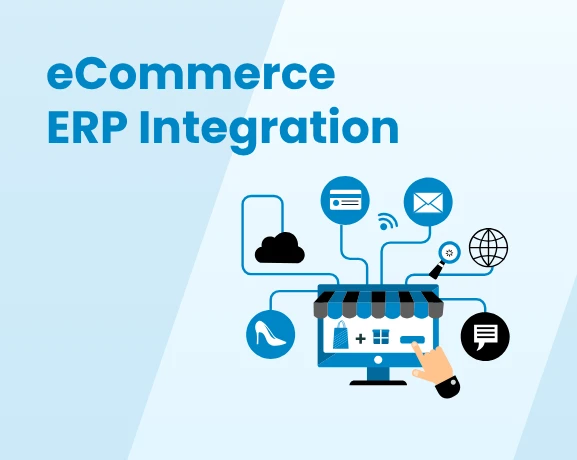
ERP and CRM Integration
Integrating ERP and CRM systems with your B2B eCommerce site keeps your business data connected. It helps track orders and inventory efficiently and manages customer information seamlessly. This integration enables a better understanding of customer preferences, allowing you to offer a smoother, more personalized buying experience.
Fast Loading Speed
Nobody likes a slow website. Studies show 53% of users leave if a page takes over 3 seconds to load. Google also considers page speed an important SEO factor. An optimized, fast-loading site helps customers quickly find products, improving their experience and boosting your conversion rates.
Quick Product Search
A fast and intuitive search function can transform your eCommerce website. When customers find products instantly, it boosts satisfaction. Offering multiple filters lets users narrow down results quickly, making the shopping experience smooth and efficient.
Multi-Language & Multi-Currency Support
To reach a global audience, your site should support multiple languages and currencies. This allows customers to browse and pay in their preferred language and currency, reducing confusion and building trust with international buyers.
Detailed Product Descriptions & Technical Specs
B2B buyers prefer knowing all product details and specifications before making a purchase. Make sure to highlight the essential information upfront, along with the unique selling points to capture their attention. Maintain transparency while sharing product details, ensuring that all information complies with legal requirements and industry standards, as many industries have strict rules on what must be disclosed.
Flexible Customer Support Options
Customers prefer different ways to contact support, so offering multiple channels like chat, email, and phone is essential. This ensures they can reach you through their favorite method. Quick query resolution improves their experience and builds trust, encouraging repeat business.
Robust Security Feature
B2B eCommerce sites handle sensitive business and transaction data, so strong security is essential. Integrate key measures like SSL encryption, firewalls, offsite backup, and two-factor authentication to protect your website and build customer trust.
Build a Feature-Rich B2B eCommerce Website
Curious about implementing these features? Let’s discuss how we can help you create an outstanding B2B eCommerce website!
Contact Us NowHow Much Does it Cost to Build a B2B eCommerce Website?
The B2B eCommerce website cost depends primarily on the complexity level of the website. It is divided into three parts.
A simple website typically costs around $10,000. A mid-level site usually ranges near $16,000. Advanced websites often start at $30,000 or more.
Besides complexity, other factors like features, third-party integrations, security, scalability, hosting, maintenance, and marketing also affect the cost.
It’s important to clearly define your requirements and budget before starting development. Investing in a strong B2B eCommerce site is wise, as it can bring substantial long-term returns.
Final Words
We’ve covered the essentials of B2B eCommerce, from core concepts and development steps to key features and costs. Following these guidelines will help you build a future-ready B2B eCommerce website. If you have questions or don’t know where to start, feel free to contact us.
WebDesk Solution is a trusted B2B eCommerce development company with over 13 years of experience. Our team understands your business needs and can build a successful B2B eCommerce website using top tools and technologies to help you grow.