Adobe Commerce B2B Features: What Magento Gives You Natively, and Where Custom Work Starts

Category
eCommerce Niches

Have you noticed the growing excitement around customized products and wondered why shoppers cannot get enough? Customization is surging in popularity, especially as values-driven shopping becomes more important. According to research by Givsly, 64% of Americans say they would pay more for brands that reflect their personal values.
Personalized items create meaningful experiences that customers love and remember, enabling businesses to benefit from stronger differentiation, higher perceived value, and deeper customer loyalty.
In this blog, you will get a complete roadmap for how to sell customized products online so you can harness the power of personalization to grow your brand and boost sales.
Step 1: Understand the Customized Product Market
The first step is understanding what customers are really looking for in customized products and how the market behaves across different niches.
Research Market Trends
Trends in personalized products are very volatile as buyers desire singular items that mirror their personality. Companies become successful when they analyze the trend categories that are most attractive, for example, whether it is clothing, home decor, gifts, or accessories. By using Google Trends, social channels, and marketplace listings, one can see very clear and distinct patterns of demand.
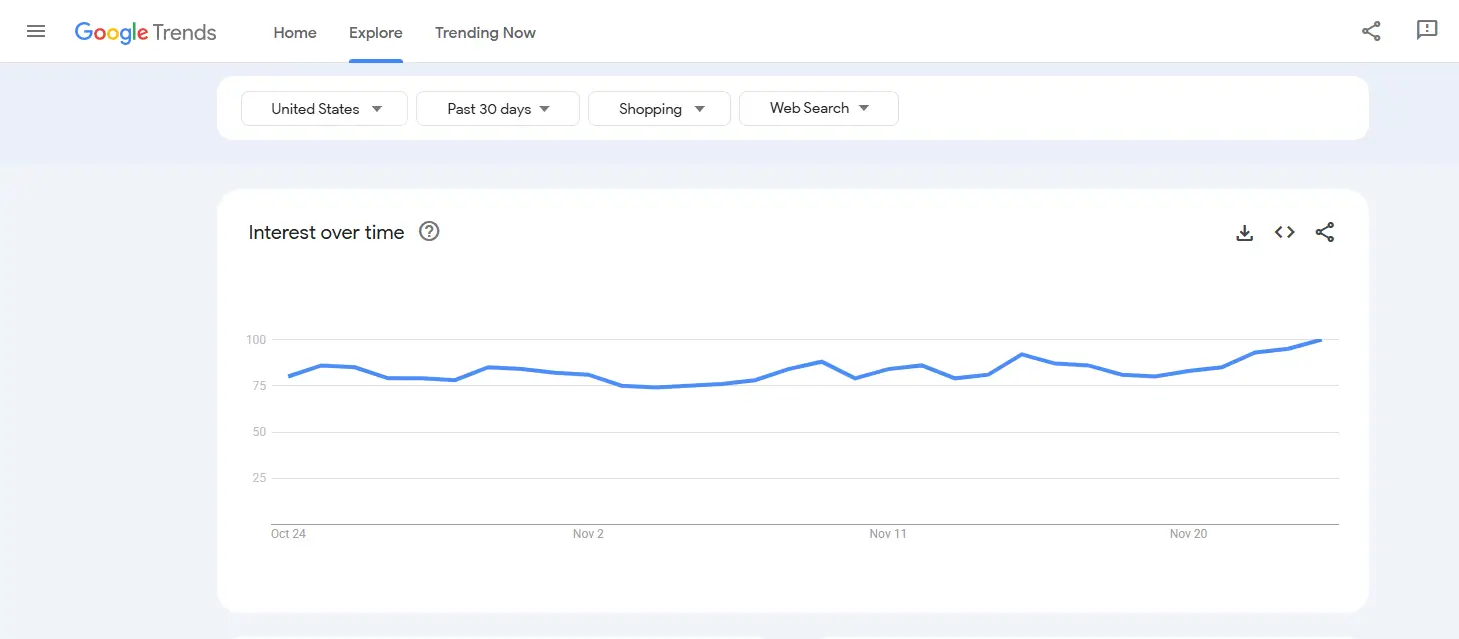
Seasonal interest, emerging topics, and viral aesthetics create opportunities that you can capitalize on quickly. By continuously observing trending colors, materials, formats, and personalization styles, you can build stronger market intelligence. Strong understanding of these shifts shapes a more data-driven product strategy.
Define Your Niche
Strong positioning begins with choosing a focused segment that aligns with specific audiences. When you have a very clear definition of your niche, then your marketing becomes more efficient, because each product, campaign, and message is extremely relevant to a closely targeted group. The requirements of the customers differ depending on their way of life. Customer needs differ based on lifestyle, profession, age group, and purchase intent.
Recognizing those preferences enables one to design appealing offerings. While customers buying customized accessories would appreciate expressive designs, customers buying personalized home decor would value both aesthetics and durability. Narrow positioning will also provide advantages in building recognition much faster.
Assess Competition
Competitor study strengthens your market approach. Review the kind of products others offer, the quality of their customization, and the way they communicate value. Pricing strategies, delivery timelines, design varieties, and customer service standards reveal gaps your brand can fill.
Stronger differentiation emerges once you know where others fall short. Businesses that frequently assess their competitors maintain a sharper edge in the crowded market.
Step 2: Set Up Your Online Store
The next step is creating an online store that supports customer personalization, easy navigation, and smooth order handling.
Choose the Right eCommerce Platform
Platform selection serves as the foundation for your business. Shopify provides seamless setup and integration of design tools with ease, while WooCommerce offers extensive flexibility through plugins. BigCommerce fits the bill for sellers anticipating fast growth and requiring scalable architecture.
Clear navigation, an attractive layout, and mobile-friendliness make the browsing experience enjoyable for customers. Secure payment gateways, stable hosting, and merchandising options should also be scrutinized in a similar way. Good platform capabilities reduce technical overhead and contribute to a far smoother workflow.
Design a User-Friendly Store
Clear navigation, attractive visual layout, and mobile-friendliness are indeed the aspects of a user’s browsing session that make their journey pleasing. Strong emphasis on page speed helps reduce drop-offs, as slow pages make buyers hesitant to build their customization.
Also, placing categories, search bars, and featured products at strategic points on the page will help buyers engage longer. Buyers love clean product pages that highlight the choices for customization clearly.
Implement Customization Tools & Integrations
Product configurators delight customers as they can see instant previews and have interactive design choices. Customers can now create their exact product through design studios, color selectors, and text editors, which are the tools for the customers’ self-creation.
Print-on-demand tools, such as Printful or Printify, handle automation of production to make scaling easier. Preview features lessen the chances of error, as customers will see an accurate view before purchase. Integration of shopping calculators and automated pricing adjustments further enhances workflows.
Test the Store Experience
Testing avoids surprises at launch time. Place test orders to see how customization tools behave, how orders are received by POD providers, and how payments are processed. Seamless checkout, accurate shipping rates, and consistent previews contribute to trust. Good testing habits dramatically reduce issues later on.
Step 3: Source Products and Manage Fulfillment
Next, establish a supply chain that is reliable, maintains product quality, ensures order accuracy, and delivers consistently.
Choose Your Fulfillment Model
There are many different fulfillment options depending on your business goals. POD is ideal for brands that like to invest the minimum, as it only begins production after an order is received. Those sellers who prefer inventory models usually enjoy better delivery times and better margins, but handle stock risks.
Hybrid structures bring together POD’s convenience and a little inventory of fast-moving items. A choice is made based on how quickly you expect the orders to scale and how much control you want over packaging.
Manage Shipping and Delivery
Shopping greatly contributes to customer satisfaction. Clearly define the delivery speed, zones, and courier options to avoid confusion. Automation in fulfillment cuts down manual work because, upon confirmation, orders go straight to the suppliers.
The customers can be informed through tracking updates on the progress. Good communication during shipping makes customers more comfortable with the wait, especially for custom items.
Quality Control
Quality assurance is important when personalization is involved because there is less margin for error. Every product has to match customer’s expectations, including every design file, and every engraving.
Good quality controls entail checking print clarity, color accuracy, spelling, product durability, and packaging safety. A reliable checklist results in a lower return rate and higher customer loyalty. Treating quality seriously sets your brand apart in the customization business.
Step 4: Market Your Customized Products
Next, highlight your brand in the best possible way to attract buyers and help them understand what makes your personalized products unique.
Build a Strong Brand Identity
Well-defined branding plays an essential role in the way customers perceive your store. The same tone, an easily recognizable logo, and a visually attractive style all help the customer to remember your brand. Communicating the emotional side of personalization is the most effective way to connect with customers.
People purchase customized products because they can express their individuality through them, so your brand story needs to reflect that connection. Strong branding fosters familiarity and trust.
Leverage Social Media
Instagram, Pinterest, and TikTok are just some of the platforms for showcasing custom products in various dynamic formats. Short videos, lifestyle shots, behind-the-scenes, and customer showcases create strong engagement.
Influencers amplify your reach because they introduce your product to an already engaged audience in a more organic way. User-generated content works because real customers demonstrate authenticity.
Optimize for SEO and Content Marketing
Blog posts, guides, and inspiration-based content bring organic traffic consistently. Search engines depend on relevant keywords to understand your offerings. In fact, product descriptions, alt text, and category pages are some of the elements that can be improved through the use of clear and descriptive language. Having strong SEO performance is key for maintaining consistent presence in the market.
Working with a professional digital marketing agency can seamlessly enhance these efforts. They help optimize website content, implement effective keyword strategies, and create consistent campaigns, allowing your store to attract more relevant visitors while saving time and ensuring professional results.
Run Paid Advertising Campaigns
Targeted ads on Meta, Google, and TikTok bring instant visibility. Testing various creatives, audiences, and formats boosts cost efficiency. Strong campaigns rely on precise targeting and compelling visuals.
To get the best results from paid advertising, it is important to optimize campaigns for each platform based on how customers search and shop online. One highly effective approach for eCommerce brands is leveraging Google Shopping, which displays your products directly to users who are actively looking to buy.
With professional Google Shopping ads management, campaigns are optimized for relevant keywords, competitive bids, and accurate product listings, helping your customized products reach high-intent shoppers efficiently. This method integrates naturally with your broader paid marketing strategy and improves overall visibility and conversions.
Step 5: Provide Excellent Customer Service
Ensure strong communication and create a support system that allows buyers to feel confident with their purchase decision-making.
Set Up Responsive Support Channels
Prompt support instills trust in buyers. Live chat, email support, and messaging tools provide easy avenues for shoppers to seek clarification on doubts related to customization. Product training for the support teams should cover the feature sets, variations, and frequently encountered issues. Clear explanations reduce hesitation and increase conversion rates.
Create Clear Policies
Transparency in policies reduces friction and misunderstandings. Since customized products are made to order, they require clear guidelines on returns, exchanges, and cancellations. Showing your policy on product pages and at checkout helps customers make informed purchasing decisions.
Encourage Customer Reviews
Positive reviews strengthen credibility in an instant. Asking for reviews after delivery will help gauge customer experiences and thus improve your offering. Displaying testimonials on product pages can influence new buyers effectively.
Step 6: Analyze and Improve Your Sales
Monitor the performance closely while refining your strategy with reliable data.
Track Key Metrics
Sales dashboards give insight into conversion rates, quality of traffic, average order value, and cart abandonment. Tracking these metrics outlines patterns that guide better decision-making. Strong analytics help identify what products really resonate most.
Collect Customer Feedback
Businesses can reveal customer expectations through surveys, polls, and review analyses. Insights on product styles, personalization options, and pricing can guide meaningful improvements. Understanding the emotions and motivations of customers when making a purchase helps refine your positioning.
Optimize Processes
Small enhancements result in striking differences. Testing new layouts, revising pricing, or restructuring product options may lift conversions. Automation tools help reduce workload through streamlined order handling, reminders, emails, and fulfillment triggers.
Step 7: Scale Your Customized Product Business
The final step will be expanding your reach, automating operations, and introducing more value for long-term growth.
Expand Product Lines
Fresh collections attract repeat buyers. Complementary designs and items encourage customers to explore additional categories. Design exclusivity will differentiate your store from the rest. Creative product expansion supports continued growth of your eCommerce business.
Automate and Streamline Operations
Operational efficiency matters when volume increases. Tools that manage syncing, CRM, and email sequences minimize the amount of manual work required. Automated systems assist in creating consistency in customer interactions and order accuracy. A stronger backend enables your business to comfortably support higher demand.
Explore Additional Sales Channels
Sell your custom products on emerging marketplaces like Etsy, Amazon Handmade, and eBay to expand your reach. Multichannel selling tools make it easy to manage listings and track orders across multiple platforms. Wider reach significantly expands the opportunities to grow the customer base.
Conclusion
Selling customized products becomes far more rewarding when you follow a clear sequence, from research and store setup to sourcing, marketing, customer support, analysis, and scaling. Each step builds your confidence and strengthens your brand, helping you create experiences that shoppers genuinely value. You don’t need to wait; every small action brings your idea closer to real growth.
If you’re ready to turn your vision into a live online store, eCommerce development services from WebDesk Solution can make the process smoother. We help brands set up stores with easy-to-use customization tools, seamless workflows, and systems that scale with your growth. With our guidance, you can focus on your products while we take care of the technical side, so your store is ready to delight customers from day one.