
eCommerce ERP Integration: What Connects, What Breaks, and How to Scope It

Category
Shopify

Are you trying to figure out whether Shopify or Shopify Plus is the right choice for your online store? Making the right decision early can save time, reduce costs, and help your business scale smoothly.
Since its launch, Shopify has become a popular platform for small and medium-sized businesses, offering a simple, reliable way to build an online store. Shopify Plus, introduced in 2014, takes this further for growing enterprises, providing advanced tools, flexibility, and support designed to handle complex operations.
In this blog, we’ll walk you through the main differences between Shopify and Shopify Plus, giving you a clear understanding of what each option offers so you can make a confident decision for your business.
Key Takeaways
- Shopify is best suited for small to medium-sized businesses, offering essential ecommerce tools for growing stores.
- Shopify Plus is designed for high-volume, enterprise-level brands and is worth considering once monthly sales reach about $80K.
- Shopify Plus provides advanced customization, automation, and dedicated support, helping large stores streamline operations and scale efficiently.
Shopify vs Shopify Plus: A Quick Comparison
| Factors | Shopify | Shopify Plus |
|---|---|---|
| Costs | $5 to $299 per month | $2,300 per month minimum or 0.25% of sales volume per month. |
| Ease of Use | It is quick to understand & use | It has limitations on the way it is used & requires support sometimes. |
| Languages | 5 Languages | 20 Languages |
| Theme Customization | Customize themes using the editor. | Offer high-level customization with Shopify’s theme language, Liquid. |
| API Integrations | Difficult to integrate third-party plugins. | Integrate custom apps or create your own private apps. |
| Analytics | Detailed analytics dashboard | Advanced integrations with leading companies like Glew or Looker to get expert, extensive data & information. |
| Live Support | 24*7 Live Support via Phone, Email, and Chat. | 24*7 Live Support via Phone, Email, and Chat. Expert Consultant |
Key Differences Between Shopify Plus and Shopify
Shopify Plus offers all the features and functionalities that other Shopify plans provide. So without wasting time on similar things, let’s just compare Shopify vs Shopify Plus on the advanced features that only Shopify Plus offers and not Shopify.
1. Unlimited Staff Accounts

Image Source: miniOrange
Many growing eCommerce businesses using Shopify face challenges with limited staff accounts. This can create bottlenecks, especially for stores with global operations or rapidly expanding teams.
Shopify Plus solves that problem with its unlimited staff accounts. You can also edit the access available to each account and monitor its activity. Shopify Plus allows staff to access the store from the Shopify app, which is not possible with Shopify. This feature allows the staff to make changes, respond to customer queries, and manage orders from their mobile devices.
On the other hand, the Shopify regular plans permit very few limited staff accounts. Also, they are more limited in terms of functionality and control.
2. Exclusive Apps
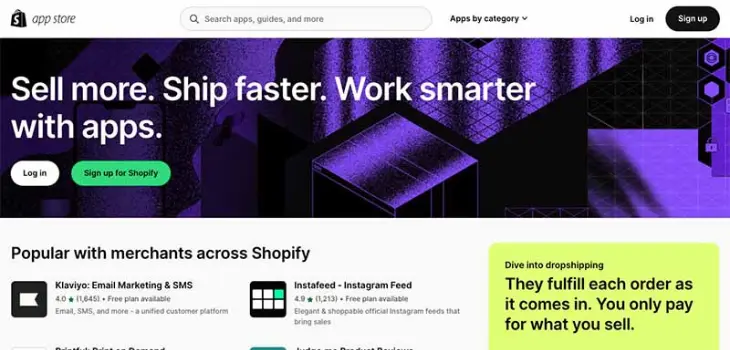
Shopify Plus provides access to a broader and more advanced set of apps compared to standard Shopify plans. While the Shopify App Store offers many free and paid apps, not all are built to support high-volume merchants or complex enterprise needs.
Shopify Plus includes exclusive apps designed to help businesses automate processes, manage subscriptions, prevent fraud, and handle wholesale operations. Some key apps include:
- Shopify Flow: Uses triggers, conditions, and actions to automate store processes.
- Launchpad: Automates flash sales and product launches with pre-configured setups.
- Script Editor: Enables custom checkout experiences based on cart value.
- Transporter App: Bulk exports customer, order, and product data.
- Bulk Account Inviter: Sends invites to customers after migrating data to a new store.
These exclusive apps often replace expensive third-party solutions, giving Shopify Plus merchants built-in tools tailored to enterprise needs.
3. Wholesale Channel
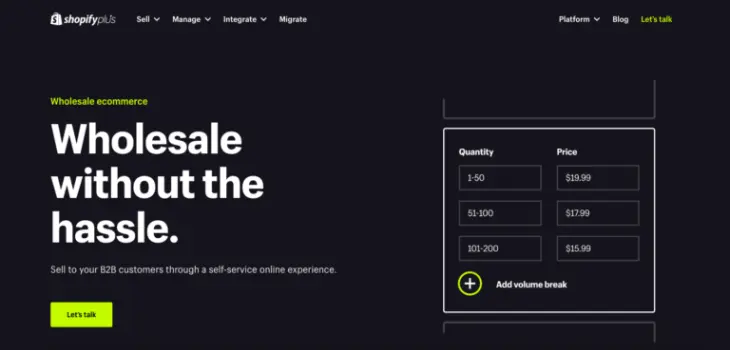
The wholesale channel is a key feature that sets Shopify Plus apart from standard Shopify plans. As a business grows, managing bulk orders becomes increasingly important. While Shopify allows wholesale sales through apps or marketplaces like Handshake, it often requires managing separate inventories and pricing for wholesale and retail customers.
Shopify Plus includes an exclusive Wholesale Channel, which allows brands to sell products at wholesale pricing without separating the main store. Businesses can showcase the same products at discounted rates or offer products exclusively for wholesale customers.
The platform also supports custom pricing, percentage-based discounts, customer group segmentation, separate logins for wholesale customers, and minimum order quantities. Additionally, brands can create product-specific information for FAQs, policies, and terms. The Wholesale Channel streamlines invoicing, order tracking, and overall store management, providing a comprehensive solution for enterprise-level wholesale operations.
Ready To Make the Switch to Shopify Plus?
Don’t miss out on the benefits of Shopify Plus. Schedule a consultation with us now to see how we can enhance your online store.
Get Started Now4. Dedicated Launch Engineer
Standard Shopify plans offer support through phone, email, and live chat. Merchants on these plans can also hire Shopify experts for additional help with customizations, store setup, or technical issues.
Shopify Plus goes a step further by providing a dedicated launch engineer. This ecommerce engineer works closely with the business to gather technical requirements, solve complex challenges, and recommend tailored solutions—making Shopify Plus an ideal environment for developers aiming to become freelance engineers, Shopify developers, or freelance Shopify experts in the enterprise ecommerce space. The launch engineer supports store setup, performance optimization, custom development, and third-party integrations, ensuring a smooth launch and scalable operations. While Shopify Plus merchants can still hire Shopify experts or freelance Shopify developers as needed, the launch engineer typically delivers the core technical support required for enterprise-level ecommerce stores.
5. Merchant Success Program

Standard Shopify plans include general support and self-service resources. Shopify Plus layers on more tailored, Plus-specific guidance through its Merchant Success resources and training programs.
Plus merchants commonly get access to a Merchant Success Manager or a dedicated account contact who helps with technical requirements, third-party integrations, and operational planning. The program also provides structured learning webinars, courses, checklists, and best-practice guidance designed to accelerate launches and ongoing scaling.
Note: support arrangements can vary by account and over time. Some merchants report differences in how dedicated support is assigned, so it’s a good idea to confirm the exact level of hands-on support and services when discussing Shopify Plus with a sales or onboarding representative.
6. Uptime Guarantee
Shopify has a strong track record of reliable performance, with most merchants experiencing around 99.99% uptime. However, this is not backed by a formal guarantee for standard Shopify plans.
Shopify Plus provides an enterprise-level SLA (Service Level Agreement) with a guaranteed 99.99% uptime. This assurance matters for high-volume brands, where even short periods of downtime can result in lost sales and poor customer experiences. The Plus infrastructure is designed with scalability, redundancy, and priority support to minimize risk and provide businesses with the confidence that their store will remain available during peak demand.
7. Greater Control on the Store Themes with Shopify Liquid
Theme customization has long been a challenge for merchants, which is why many rely on custom themes or third-party developers. Shopify uses Liquid, its own templating language, to give developers control over theme design and functionality.
While all Shopify plans provide access to Liquid, Shopify Plus unlocks greater control, particularly over the checkout experience. Plus merchants can customize the checkout with checkout.liquid and use Shopify Scripts to tailor discounts, shipping methods, and payment options in ways that aren’t available on standard plans. This level of flexibility makes it possible to deliver a more personalized and seamless shopping experience.
8. Pricing

When comparing Shopify and Shopify Plus, pricing is one of the clearest differences. Shopify’s standard plans Basic, Grow, and Advanced start at about USD 39/month, USD 105/month, and USD 399/month (when billed annually). Depending on the plan, most merchants spend under USD 5,000 per year on their core Shopify subscription.
Shopify Plus, however, is positioned for enterprise-level brands. Pricing starts at around USD 2,300 per month under a standard three-year agreement, or 0.25% of monthly sales, whichever is higher. This puts the annual cost at a minimum of USD 27,600, a significant jump from standard plans, but one that provides advanced scalability, enterprise infrastructure, and dedicated support designed for high-volume businesses.
9. Single Dashboard For Multiple Stores
Managing multiple stores on standard Shopify often requires third-party apps, such as Multi-Admin or Multi-Store Sync, which come at an additional cost.
With Shopify Plus, this capability is built in. Merchants get access to an organization-level admin dashboard, where they can oversee all stores, manage staff accounts, and view key performance summaries in one place. This centralized control makes it far easier for multi-brand or multi-region businesses to operate efficiently without juggling separate logins or tools.
10. Checkout Page Customization
On standard Shopify plans, checkout customization is limited. Merchants can adjust branding elements like logos, colors, and fonts—but the overall structure and functionality of the checkout remain fixed.
Shopify Plus unlocks deeper control. With Checkout Extensibility and the Script Editor, Plus merchants can tailor the checkout experience based on customer groups, cart value, shipping rules, or promotions. This flexibility allows high-volume brands to create personalized and streamlined checkout flows that can directly improve conversion rates and customer satisfaction.
When Should You Go with Shopify Plus?
Brands typically consider upgrading to Shopify Plus when their online sales reach around $80,000 per month, though individual business needs may vary. Shopify Plus is designed for high-volume merchants who need advanced features, customization, and dedicated support to manage complex operations efficiently.
If your business is growing quickly, managing multiple stores, or backed by investors who can support the investment, Shopify Plus can help scale your operations without limitations.
For businesses that are unsure whether it’s the right time to upgrade, it’s best to contact a Shopify Plus sales representative to evaluate your specific requirements.
Key Considerations:
- Shopify Plus provides enterprise-level features like advanced customization, automation, multi-store management, and dedicated support.
- It is suitable for merchants experiencing rapid growth or managing high-volume sales.
- Upgrading early can help future-proof your operations and ensure smoother scaling.
If you are ready to invest in Shopify Plus, you can reach out to us. We provide Shopify Plus development services to help you set up, customize, and scale your store efficiently, ensuring it meets your business goals.
Final Verdict
There’s no denying that Shopify Plus comes with a higher price tag than standard Shopify plans. However, for businesses in fast-growing industries or those with complex operational needs, the advanced features, automation, and dedicated support offered by Shopify Plus can provide real value and save costs in the long run.
If you’re just starting in eCommerce, Shopify’s Basic or Advanced plans are a better fit. Once your business reaches $10 million in annual sales, upgrading to Shopify Plus becomes a strategic choice.
It’s important to consider the hidden costs of running a growing store: hiring consultants for custom integrations and themes, attending industry events, or losing sales due to downtime while waiting for support. Compared to these expenses, the $2,300/month investment in Shopify Plus often proves cost-effective, providing both operational efficiency and peace of mind.
At WebDesk Solution, we leverage years of experience in Shopify development to help brands choose the platform that best suits their growth and operational needs. Whether it’s Shopify or Shopify Plus, we guide businesses toward the option that aligns with their goals and ensures long-term success.
Frequently Asked Questions
Absolutely. Shopify plus comes with premium features & functionalities. If your online store has surpassed one million dollars annually, it’s time for you to upgrade to Shopify plus. It provides better flexibility and advanced support. Thus, it is a great option for all businesses who want to leverage more resources and take their business to a new level.
When your monthly sales hit $80k, it is the best time to upgrade to Shopify Plus. The advanced platform provides better scalability to grow your store. Besides this, it allows you to manage your eCommerce store efficiently.
Shopify Plus helps growing and enterprise-level businesses manage complex operations with ease. It offers:
- Advanced automation for smoother workflows.
- Customizable checkout and store design.
- Centralized management for multiple stores.
- Priority support and dedicated resources.
- Enhanced security and performance for high-traffic stores.

Related Posts