

Overview
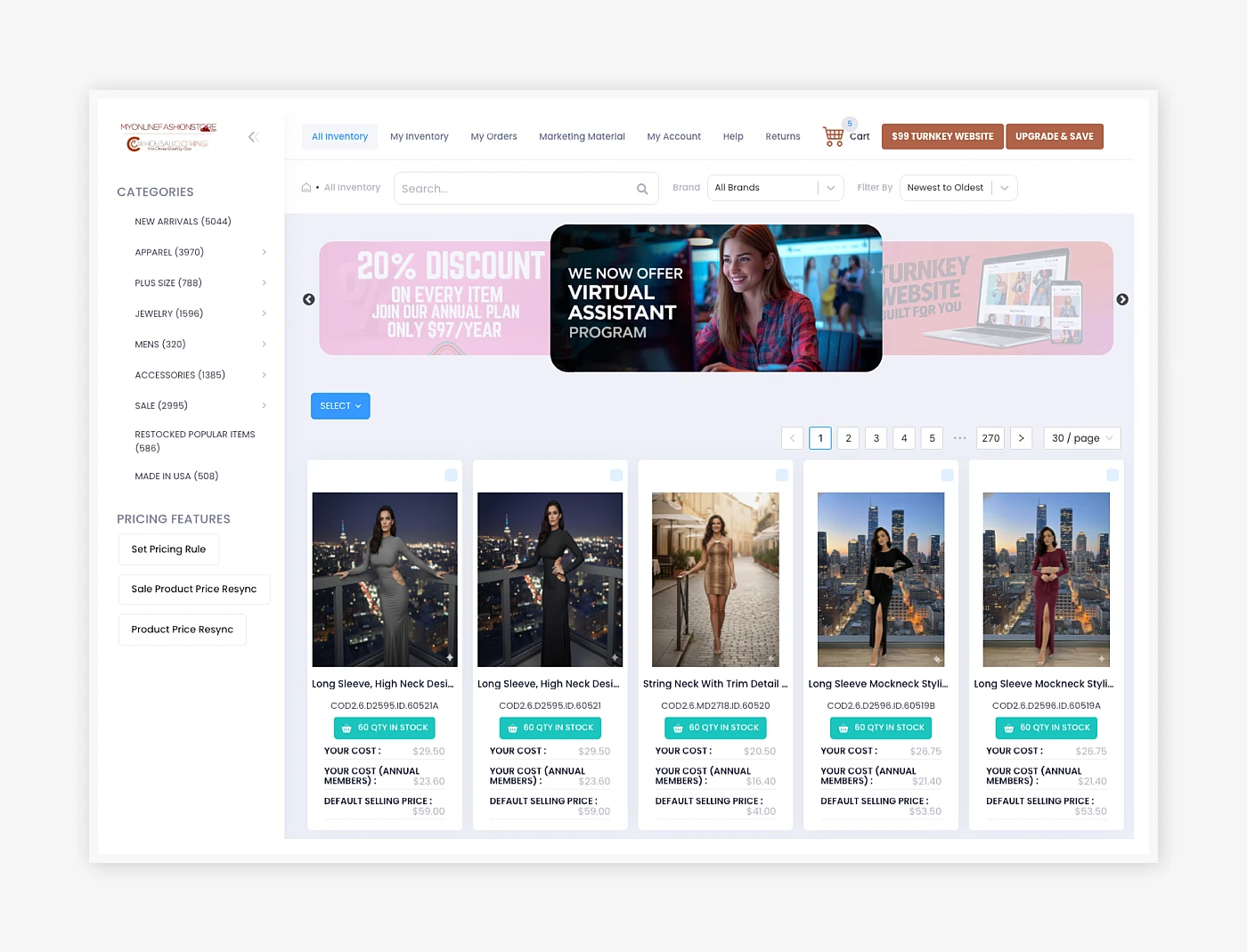
Edmond operates as an established wholesale distributor and manufacturer with a centralized Shift4Shop (formerly 3DCart) platform at the core of its operations. This platform functions as the single source of truth for product data, inventory management, and order fulfillment. Rather than relying solely on direct-to-consumer sales, Edmond has built a broad ecosystem of independent retail partners who sell Edmond’s products through their own Shopify storefronts.
This dropshipping model allows Edmond to expand market reach without the overhead of managing multiple consumer-facing stores. However, it also introduces complexity. As the number of vendors and SKUs increased, the accuracy and speed of data movement across systems became business-critical. Product information, pricing, inventory availability, and order status are all needed to stay perfectly aligned across multiple platforms to protect brand integrity and operational trust.
Looking ahead, Edmond’s leadership recognized that growth would depend on more than adding vendors; it required a technology-driven partnership model. Vendors needed self-service tools that made it easy to sell Edmond’s products, while Edmond retained centralized control over catalog quality, inventory, and fulfillment. Achieving that balance became the foundation for the engagement.
Approach
From the outset, we treated this initiative not as a one-off integration, but as the foundation of a scalable commerce platform designed to evolve with Edmond’s business. The goal was to remove operational friction without disrupting existing workflows, and to do so in a way that could support long-term vendor growth.
We began by immersing ourselves in Edmond’s operational reality: how vendors were onboarded, how products were managed, where errors occurred, and which manual processes consumed the most time. This understanding shaped a phased implementation strategy focused on stability first, then automation, and finally optimization.
The initial phase established a reliable connection between Edmond’s Shift4Shop catalog and vendor Shopify stores. Once that foundation was stable, we incrementally automated high-impact workflows, product synchronization, pricing logic, inventory accuracy, and order processing. Each enhancement was guided by real vendor feedback and real operational data, ensuring that improvements addressed actual bottlenecks rather than theoretical ones.
Throughout the process, three principles guided every decision: data integrity, reliability at scale, and vendor empowerment without loss of centralized control. This approach allowed Edmond to modernize its ecosystem while minimizing risk and operational disruption.
The Problem: Scaling Without Automation
Edmond’s business model depends on the success of its vendor network. Vendors manage their own Shopify storefronts, handle marketing and customer relationships, and drive sales, while Edmond maintains inventory and fulfills orders. In theory, this model offers powerful scale. In practice, it had become constrained by manual processes that no longer matched the size of the operation.
Vendor Onboarding Friction
Bringing a new vendor into the ecosystem was slow and resource-intensive. Vendors had no simple, self-service way to connect their Shopify store to Edmond’s product catalog. Instead, onboarding required manual coordination, technical assistance, and repeated data entry. This friction limited how quickly Edmond could grow its network and increased dependency on internal support teams.
Product Data Synchronization Gaps
Product updates made in Shift4Shop, whether descriptions, images, or titles, did not automatically flow to vendor stores. Vendors often sold outdated or inconsistent product information, leading to brand inconsistency and customer confusion. Edmond had limited visibility or control over how products appeared across dozens of independent storefronts.
Inventory Mismatches
Inventory synchronization was the most critical failure point. Vendor stores frequently displayed inaccurate stock levels, resulting in overselling and canceled orders. These issues triggered manual reconciliation efforts, strained vendor relationships, and damaged trust with end customers.
Pricing Inconsistencies
Vendors lacked flexible tools to manage margins. There was no structured way to apply markups or respond quickly to wholesale price changes or promotions. Pricing updates were slow, inconsistent, and often missed entirely, limiting vendor profitability and reducing the effectiveness of promotional campaigns.
Fragmented Order Flow
Orders placed on vendor Shopify stores did not automatically reach Edmond’s fulfillment system. Manual order entry introduced delays and errors, while order status updates failed to reach vendors promptly. The lack of transparency across the order lifecycle created frustration for vendors and poor communication with end customers.
In summary, Edmond’s growth was constrained by a pre-automation operating model. Manual workflows introduced risk at every critical touchpoint, including products, inventory, pricing, and orders, making scale increasingly difficult to sustain.
Key Metrics



The Solution Architecture And Capabilities
To address these challenges, we designed and implemented a centralized integration platform that acts as a reliable bridge between Edmond’s Shift4Shop hub and its vendors’ Shopify stores.
Centralized Product Sync Engine
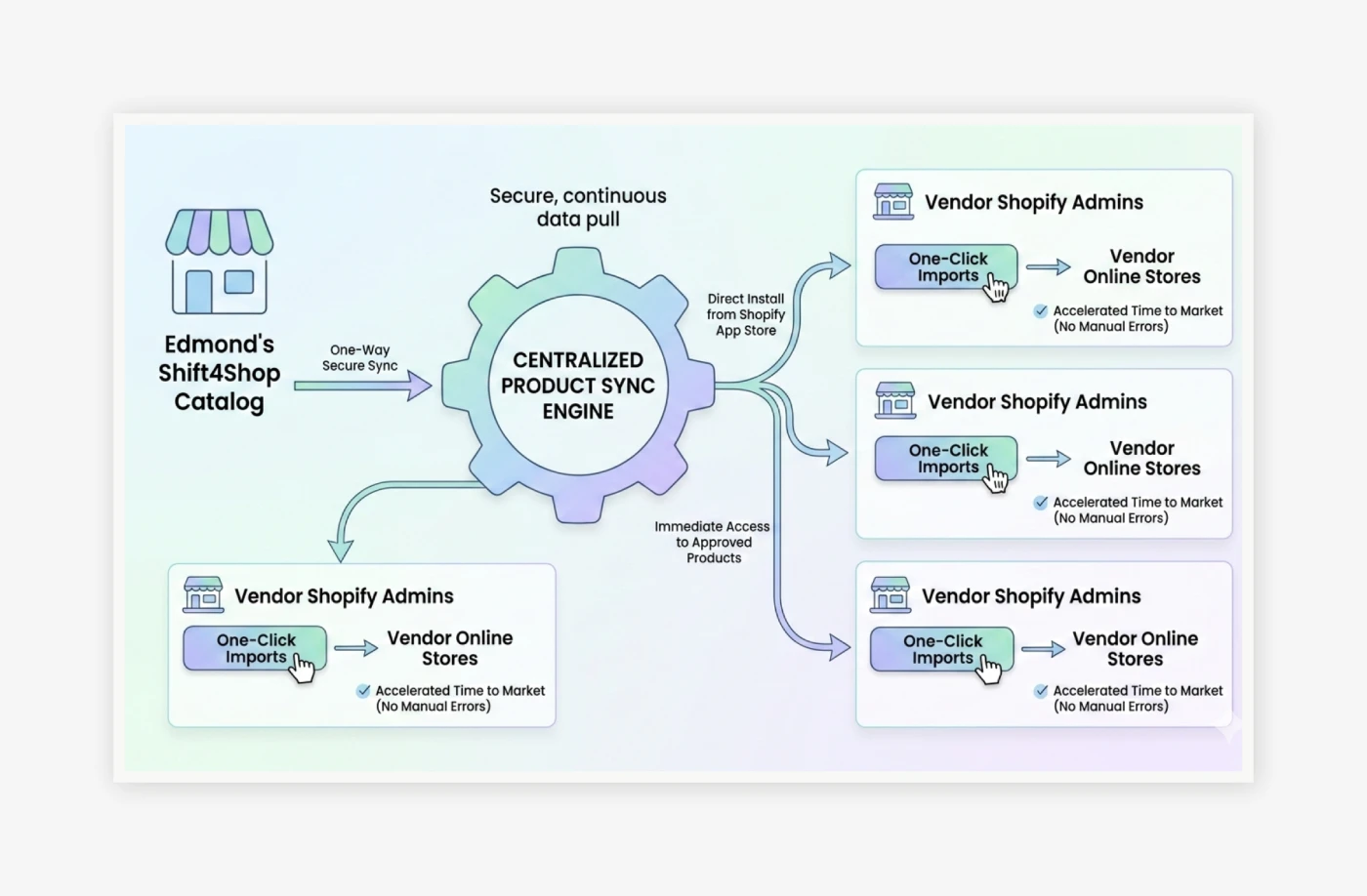
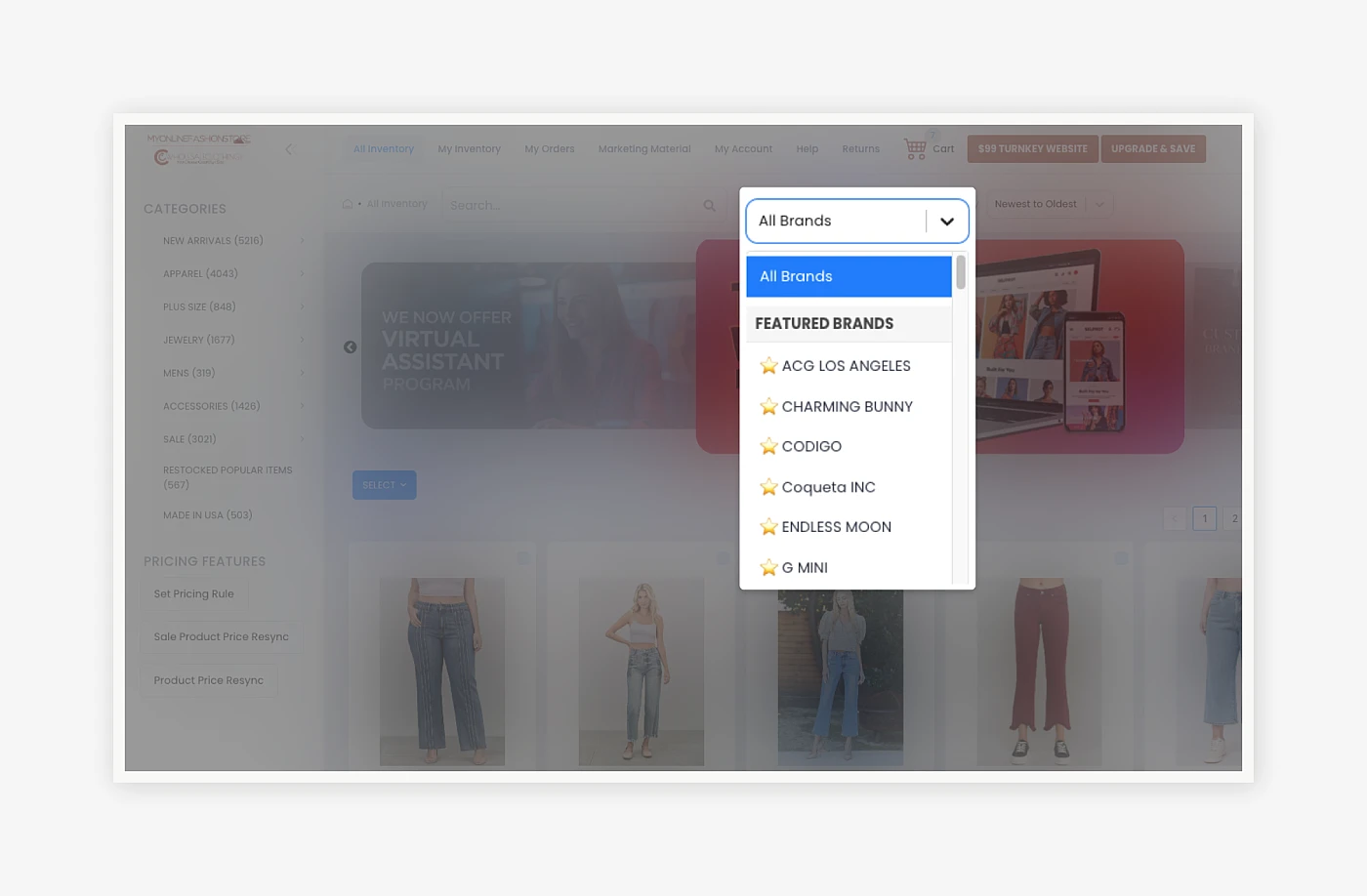
We built a secure, one-way synchronization engine that continuously pulls Edmond’s complete product catalog from Shift4Shop into the application. Vendors install the app directly from the Shopify App Store and gain immediate access to approved products within their Shopify admin. With one-click imports, vendors can list products without any manual copying, eliminating errors and accelerating time to market.
Intelligent Pricing & Markup Layer
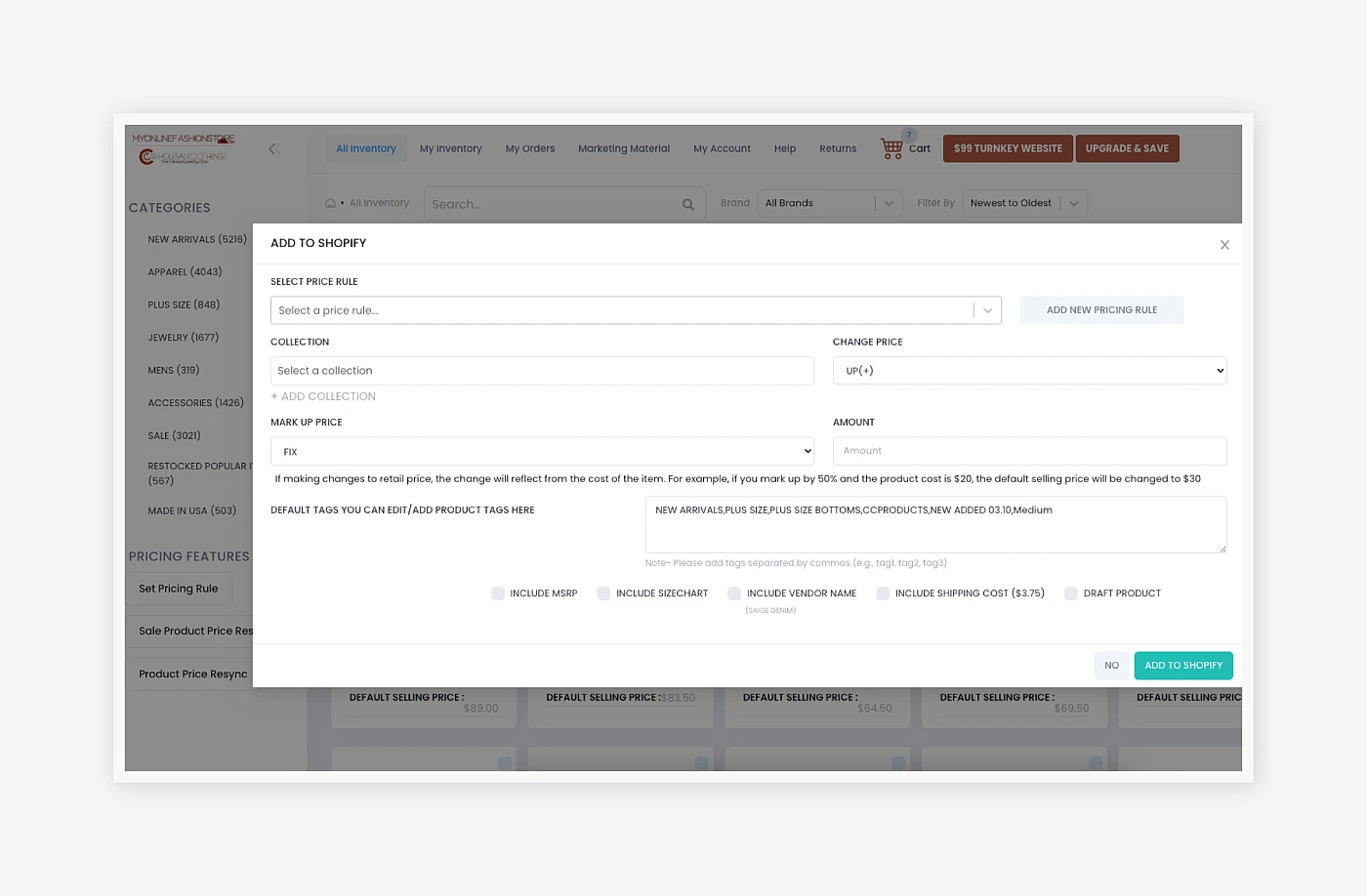
Recognizing that each vendor operates with different margin expectations, we implemented a flexible markup manager. Vendors can define global margins, category-based rules, or SKU-specific pricing logic. The system automatically calculates retail prices during sync, ensuring consistent profitability while remaining aligned with Edmond’s wholesale pricing.
Real-Time Inventory Synchronization
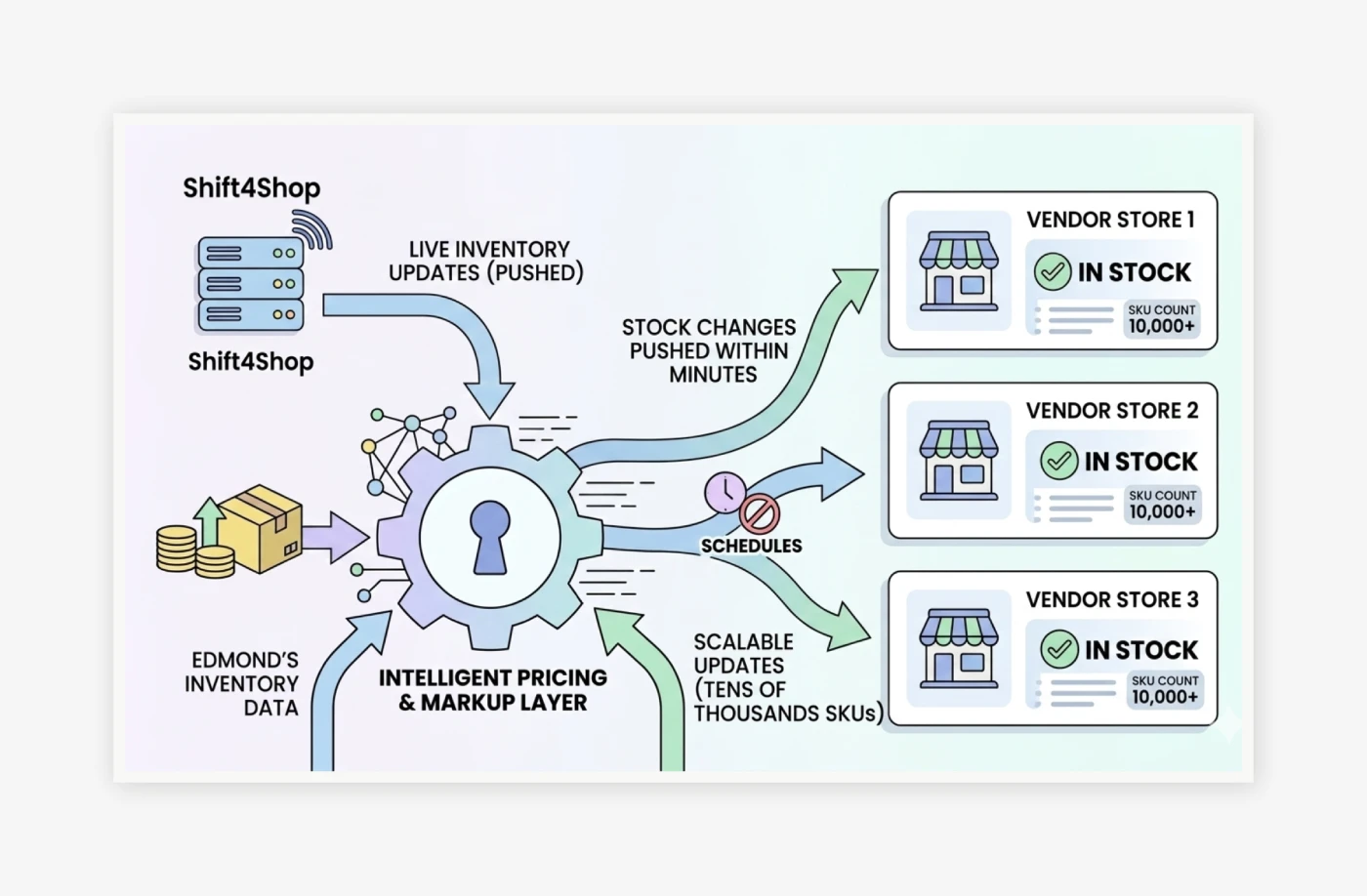
To eliminate overselling, we engineered a high-performance inventory webhook system. Instead of relying on scheduled syncs, the system listens for live inventory updates from Shift4Shop. Stock changes are pushed to all connected vendor stores within minutes, even during large-scale updates involving tens of thousands of SKUs.
Bi-Directional Order Harmony
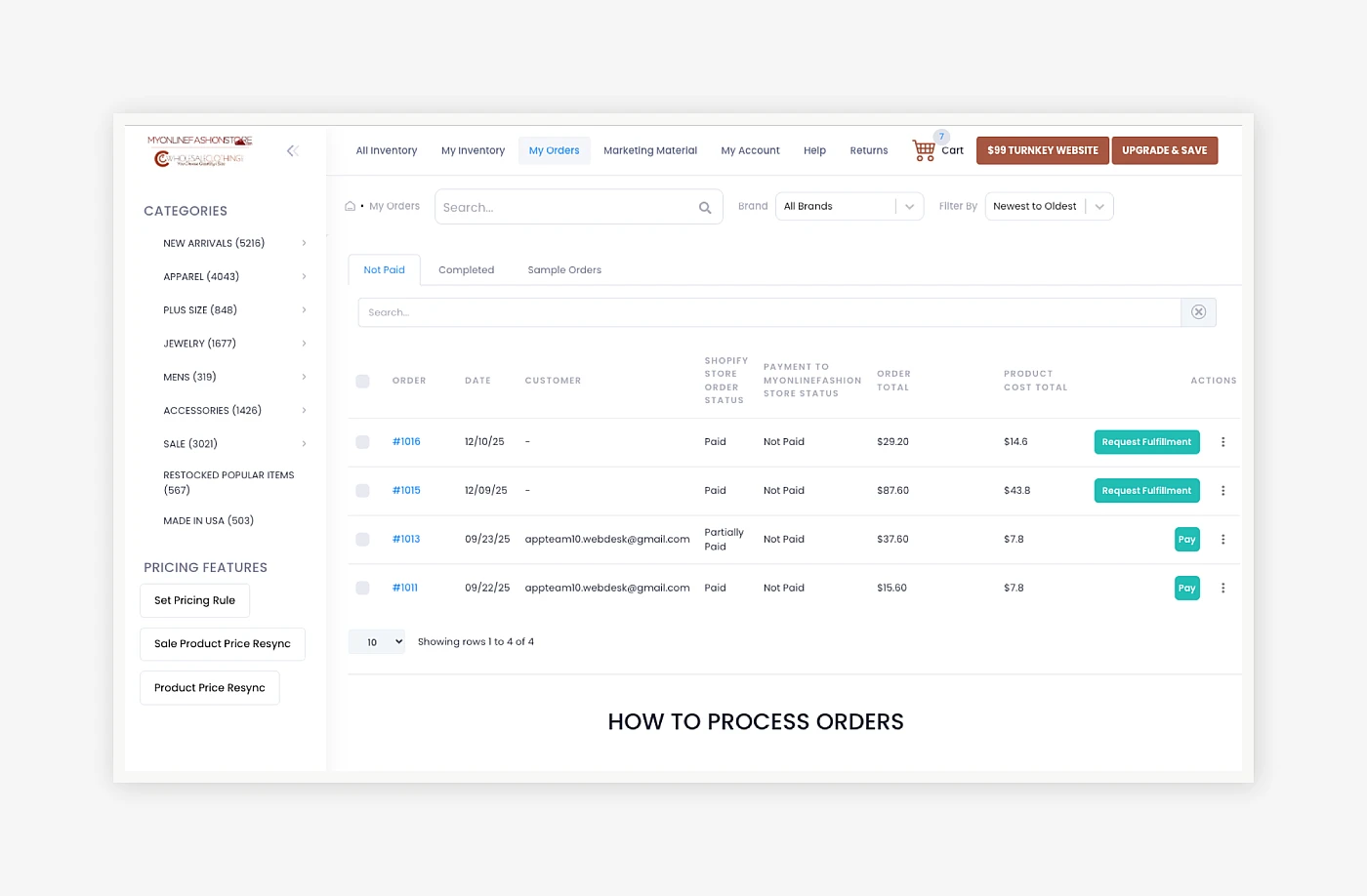
We automated the full order lifecycle. Orders placed on vendor Shopify stores are instantly recreated in Shift4Shop for fulfillment. When order statuses or tracking details are updated in Shift4Shop, that information flows back to Shopify automatically, creating a closed-loop system that keeps vendors and customers informed in real time.
Vendor Empowerment Tools
Additional features were introduced to support daily vendor operations:
- One-click price resync to apply updated wholesale prices or promotions
- A Google Sheets–based control layer for managing brands, categories, and catalog logic
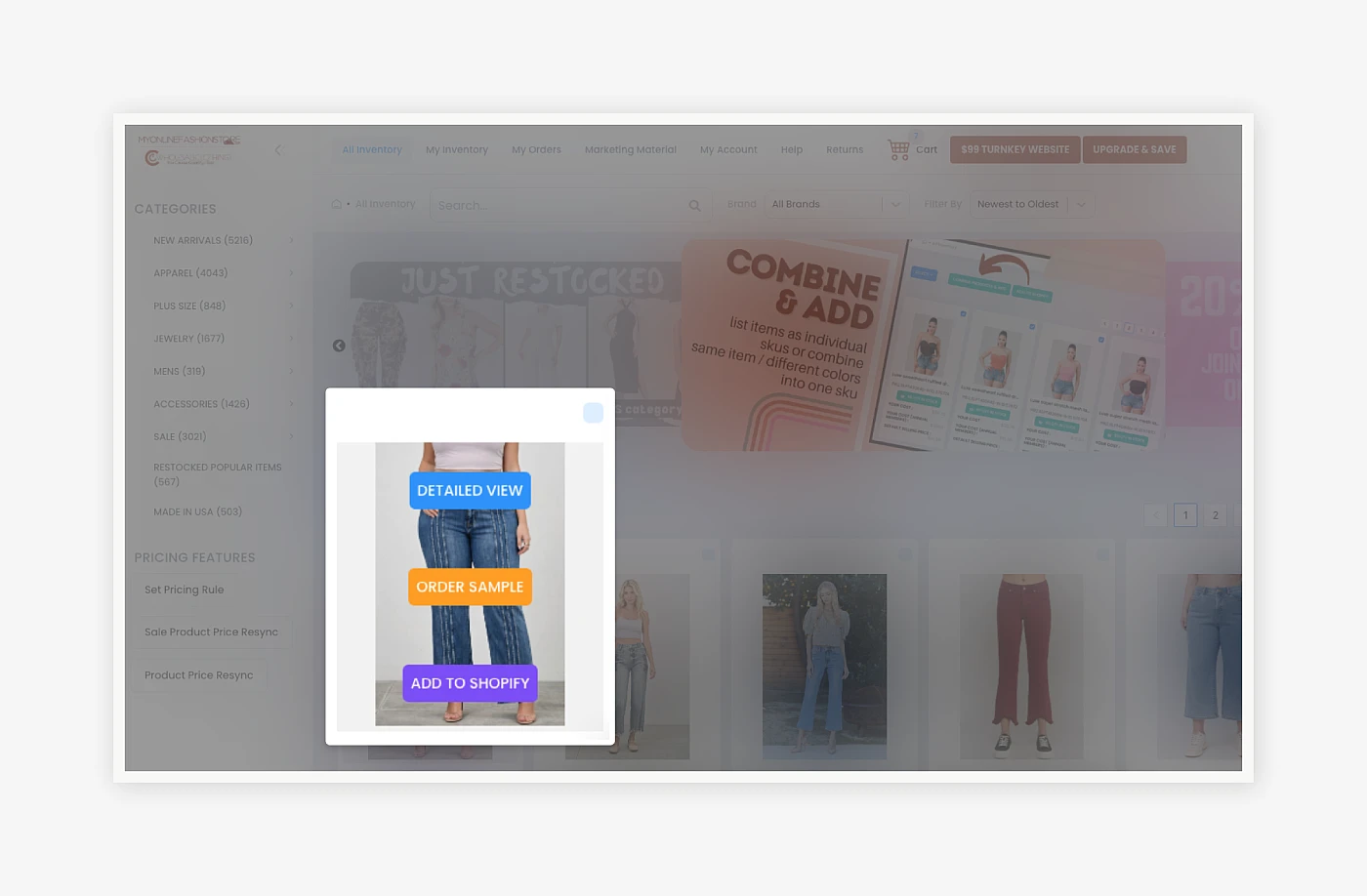
- A built-in sample ordering flow that routes vendor sample requests directly into Shift4Shop as standard orders
Together, these capabilities transformed the ecosystem from a collection of disconnected workflows into a unified, automated commerce platform.

Results and Business Impact
The shift to an automated integration framework delivered measurable improvements across Edmond’s operations.
Vendor onboarding time was reduced by approximately 60–70%, transitioning from a multi-day, support-heavy process to a largely self-service experience completed within hours. As onboarding friction decreased, vendor adoption increased steadily quarter over quarter. Support tickets related to product setup, pricing issues, and sync errors dropped by an estimated 45–55%, allowing internal teams to focus on strategic partner growth.
Near real-time inventory synchronization reduced overselling and stock-related cancellations by more than 80%. Inventory updates that once took hours now propagate across vendor stores within minutes, even during high-volume SKU updates. Promotional price changes that previously required days of coordination can now be deployed across vendor catalogs almost instantly.
Automated order routing and bidirectional status updates reduced manual order entry errors by approximately 70%, while improving average order processing time by 30–40%. Vendors gained clear visibility into fulfillment progress, leading to fewer customer service escalations and improved end-customer satisfaction.
Collectively, these gains strengthened vendor trust, increased long-term platform usage, and positioned Edmond as a reliable, technology-forward wholesale partner.
Conclusion
By replacing manual workflows with a fully automated, vendor-centric integration platform, Edmond transitioned from operational constraint to scalable growth. The system now supports expanding vendor networks, large product catalogs, and frequent pricing updates, without increasing internal workload.
More importantly, it established a resilient digital foundation that aligns Edmond’s success with the success of its vendors. With accurate data, real-time visibility, and reliable automation at the core, Edmond is now equipped to scale confidently while maintaining operational excellence and long-term stability.