Adobe Commerce B2B Features: What Magento Gives You Natively, and Where Custom Work Starts

Category
eCommerce Niches
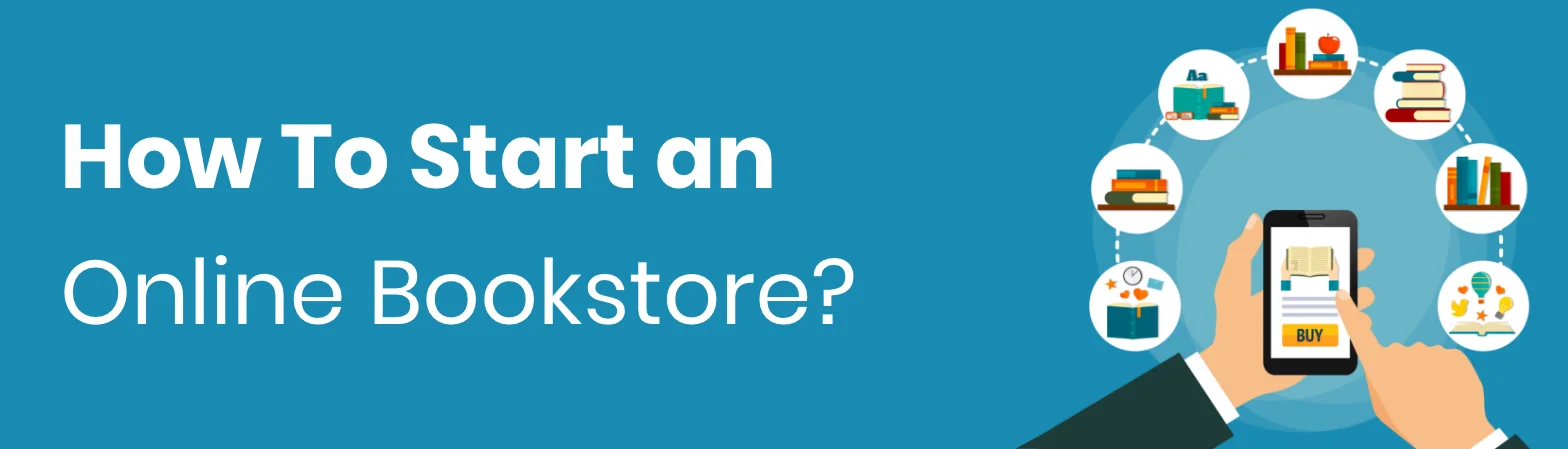
Today, digital space is occupying a more and more prominent place in people’s lives, and the demand for online bookstores is rising like never before because of the availability they provide to readers from every corner of the world.
As per Statista, the estimated value of the global market for eBooks is expected to grow at a compound annual growth rate (CAGR) of 1.24% from 2025 to 2030 and leading to projected market volume of USD $15.87 billion. This is one of the indications that people are inclined toward digital reading materials.
What is more, the online book market is now big enough to push anyone who wants to give it a try toward success and a breakthrough like Amazon Kindle did. Amazon Kindle is not only revolutionizing print media like books but also encouraging creators to move their content online, where it becomes more reachable, making it one of the many promising eCommerce business ideas for aspiring entrepreneurs.
In this blog, we’ll explore the process of starting an online bookstore, from conducting market research to setting up your website and marketing your online bookstore. Whether you’re a seasoned entrepreneur or a newcomer to the world of online businesses, this guide will provide you with the knowledge you need to create an online bookstore.
So, if you’re ready to embark on this exciting journey, let’s dive in and learn how to start an online bookstore that will delight book lovers and turn a profit!
What Do You Need to Start Selling Books Online?
Entering into the world of online bookselling opens doors to the realm of certain opportunities. But before jumping into that, it’s important to collect some information and knowledge. From deciding niche to thinking about inventory, there are certain key elements to take care of.
Decide Your Niche
When finding your niche in the online book market, don’t forget to look into the different interests of the potential readers and the potential demand for various genres. Here are five types of niches you can explore:
Fiction: Explore the world of storytelling in fiction through the different literary genres, namely, romance, mystery, fantasy, and science-fiction. Catch all readers interested in adventures and great fantasies beyond reality to imagine.
Non-fiction: Use a selection of non-fictional and educational books in the genres of self-help, business, history, biographies, and memoirs as your featured titles. Share knowledge and useful information with the readers who want to increase and develop their skills.
Comics and Graphic Novels: Bring happiness to comic fans with graphic collections of graphic novels and comic books. It features beautiful visual literature as well as dynamic artworks in the areas of comics, mixed media, and more.
Children’s Books: Engage the minds of young children through books, photos, and educational products for infants, pre-schoolers, early readers, chapter books, and educational materials. Offer an exciting and wide range of educational material for children of different ages.
Self-Published and Indie Authors: Participate in promoting and growing independent authors by featuring a curated list of self-published books. Keep the audience fascinated by featuring various untouched talents that provide something fresh with special storytelling.
A Source for Your Inventory
If you are a beginner and want to know how to start an online bookstore successfully, your inventory is the main thing to take care of. There are several options available to explore:
Publishers and Distributors: By collaborating directly with publishers and wholesalers, you can offer an array of the latest titles and guarantee prompt delivery of the runaway hits. Therefore, providing your clients with a wide range from which to choose.
Wholesale Marketplaces: While traditional mediums such as bookshops are becoming less and less appealing, wholesale marketplaces are still a very convenient way to procure the desired number of books in bulk at favorable rates.
By collaborating with publishers and utilizing wholesale marketplaces, you can secure competitive prices and negotiate advantageous terms. This helps in efficiently managing your inventory and maximizing profitability for your online book-selling business.
Types of Online Bookstores
Online bookstores come in various shapes and sizes, each catering to different audiences and preferences. Understanding the different types of online bookstores can help you choose the right approach for your business. In this section, we’ll explore the various types of online bookstores to help you determine the best fit for your online bookstore venture.
Specialized Niche Stores: Niche stores operating on a specialty basis will attract a specific audience and make selections with a certain theme, thus achieving profit due to effective targeting of the people who are ready to pay for their interests. These stores not only sell unique titles but also develop customer loyalty, which in turn brings repeat purchases, which contributes to long-term profitability.
Independent Bookshops: Independent bookshops tend to be the ones that bring attention to small indie authors, indie publishers, and generally readers in search of the “real” and diverse narrative. These stores can attract the community, provide customers with individualized assistance, and give them a reason to return and continue supporting an independent literature provider, benefits that enhance sustainability.
Big-box Retailers: High volume sales and economies of scale make this type of store profitable. These retail outlets capitalize on brand awareness and marketing strategies to attract an extensive customer base; naturally, they make huge sales from their book collections.
Secondhand and Rare Bookstores: Through purposeful design and pricing that caters to the high-end market, these stores attract and retain clients who keep returning to buy more at premium price tags.
eBooks: eBooks are the latest business opportunity to earn money, given the growing numbers of readers who are now reading digitally. These new eBook stores reduce the running costs significantly, and at the same time, they open the opportunities to connect to the global audience instantly. They can consequently scale up their business and earn a good profit.
6 Steps to Start an Online Bookstore
Starting an online bookstore may seem daunting, but with the right plan, it can be smooth and rewarding. In this section, we’ll outline six steps to help you kickstart your online bookstore venture. These steps will help you lay a solid foundation for your online bookstore journey.
1. Do Market Research
Do an in-depth research of the market and the competition before selling books online;
- Look for the challenges or weaknesses that the market presents and the opportunities available.
- Analyze already available digital bookstores, determine customer print preferences, and find volumes in demand that have yet to be serviced.
You can discover patterns surrounding bookstore trends and consumers’ needs through such investigations. Besides, you can adapt to the needs of your ideal market by targeting your bookstore accordingly.
2. Pick a Niche
A critical factor for winning the online book business is defining the narrow slice of the market that matches your likes and preferences and the market requirements.
For instance, if you’re passionate about environmental conservation. You could promote eco-friendly publications or highlight authors and publishing houses prioritizing nature-friendly practices. By aligning your advertising with your values, you can attract like-minded customers and make a positive impact while promoting your products or services.
3. Choose a Book Sourcing
A wise selection for a book-sourcing method online store depends on keeping its shelf appealing and attractive for the customers. Paralleling with publishers and distributors empowers you to get a hold of new releases and top publications, which makes you cover trendy and current issues.
The newest technology platforms, including IngramSpark for print on demand and Baker and Tolly for retail distribution to customer demands, the wide variety of titles, and timely delivery help meet immediate needs.
Suitable book suppliers can be your best ally. Sourcing books from the ones that cover the market demand and consumers’ tastes guarantees that the inventory is up-to-date and engaging for your online bookstore’s customers, which consequently helps you gain visitors and keep them coming back.
4. Create Your Online Bookstore
One of the critical things you need to get right to start your online bookstore is to select the right eCommerce platform to build and manage your shop. However, it is essential to mention Shopify, WooCommerce, or BigCommerce, which have user-friendly interfaces, customizable templates, and solid features built specifically for online sellers.
After selecting the eCommerce platform, it’s time to design your website. Focus on creating a visually appealing layout that is easy to navigate and showcases your book collection effectively. Use high-quality images and engaging content to capture the attention of visitors and entice them to explore further.
Don’t forget to optimize your online bookstore for mobile devices, as more and more people are shopping online using smartphones and tablets. Ensure that your online bookstore is responsive and loads quickly on all devices to provide a seamless browsing experience for your customers.
Lastly, incorporate essential features such as a secure checkout process, customer reviews, and social media integration to enhance the functionality of your online bookstore and build trust with your audience.
5. Market Your Online Bookstore
Once your online bookstore is up and running, the next step is to focus on marketing. This is what helps you attract the right audience, build visibility, and turn visitors into paying customers.
Start by promoting your bookstore across multiple digital channels such as social media, email marketing, and content marketing. Creating engaging content around books, recommendations, and trends can help you connect with readers and build a loyal community.
Search engine optimization (SEO) is equally important. By optimizing your website with relevant keywords, book descriptions, and blog content, you can attract organic traffic from people actively searching for books online.
You can also invest in paid advertising through platforms like Google Ads or social media ads to reach a wider audience. These campaigns are especially useful when launching your store or promoting special offers.
Leverage platforms such as Goodreads, BookBub, and Amazon Ads, which are widely used by readers to discover new books. In addition, build relationships with book bloggers, influencers, and reviewers who can help promote your bookstore to their audience.
Email marketing is another powerful tool. Sending regular newsletters about new arrivals, discounts, or curated book lists helps you stay connected with your customers and encourages repeat purchases.
You may also explore affiliate marketing by partnering with bloggers or niche websites who can promote your bookstore in exchange for a small commission on sales.
A well-rounded marketing approach not only increases traffic but also helps you build a strong brand presence and grow your online bookstore over time.
6. Focus on Customer Experience and Collect Feedback
Once your online bookstore starts attracting customers, the next priority is delivering a positive shopping experience. Good customer service helps build trust, encourages repeat purchases, and turns one-time buyers into loyal readers who keep coming back to your store.
Make sure you respond to customer queries quickly, provide clear order updates, and handle issues such as returns or delivery problems in a professional manner. A smooth and reliable buying experience can make a big difference in how customers perceive your brand.
It is also helpful to actively collect feedback from your customers. You can ask buyers to leave reviews after a purchase through follow-up emails or small prompts on your website. Feedback helps you understand what customers like about your bookstore and what areas may need improvement.
By listening to your customers and making small improvements over time, you can create a bookstore that not only sells books but also builds a loyal community of readers.
How Much Does It Cost to Start an Online Bookstore?
The cost of starting an online bookstore can vary widely depending on your business model, scale, and the level of customization you need. On average, most online bookstores can be launched with an initial investment ranging from $5,000 to $50,000, while more advanced or custom-built platforms can go beyond that.
If you’re starting small with a basic setup, you can keep costs relatively low. However, as you scale your bookstore with more features, inventory, and marketing efforts, the investment naturally increases.
Here’s a breakdown of the key cost components:
- Website Development & Platform: The cost of building your online bookstore depends on whether you choose a template-based solution or a custom-built platform. A basic setup may cost around $500 to $5,000, while advanced or custom solutions can go much higher depending on features and integrations.
- Initial Inventory: Inventory is often one of the biggest expenses. Depending on your niche and business model, you may spend anywhere between $2,000 and $10,000 to stock your bookstore initially.
- Domain, Hosting & Tools: Basic operational costs include domain registration, hosting, and essential tools like email marketing or analytics. These can range from $50 to $500 per month, depending on your setup.
- Marketing & Promotion: To attract customers, you’ll need to invest in marketing. A starting budget of $1,500 to $5,000 for initial campaigns (SEO, social media, ads) is common for new bookstores.
- Legal & Setup Costs: Business registration, licenses, and other legal requirements may cost around $100 to $1,500, depending on your location.
- Ongoing Costs: Apart from the initial investment, you should also plan for ongoing expenses such as hosting, maintenance, payment processing fees, and marketing. These can range from $500 to $2,000 per month.
Final Words
While the digital era is gaining momentum, this industry sector, especially online bookstores, is expanding at an unseen growth rate. The gradual shift from brick-and-mortar stores to digital platforms offers a unique opportunity to bookstores as more readers appreciate the time and convenience savings offered by digital platforms.
Entrepreneurs heading to start their own business in the growing online book industry have an obvious direction to the successful business.
If you are keen to enter this growing market, we at WebDesk Solution are here to take you through your dreams. We have expertise in eCommerce development and have built many online stores for businesses. Our primary focus is helping the new generation of entrepreneurs be successful in the digital business environment.
We cover everything from single-page website design to multi-vendor store development and everything in between to ensure that your online bookstore stands out and succeeds. Feel free to get in touch with us to learn how we made online bookstores easy and how you can be a part of the thriving digital bookselling industry.
Frequently Asked Questions
If the right strategy is developed, online bookstores can be profitable. Online bookstores can focus on a global market, minimize overhead costs, and offer various products that allow them to compete and generate significant revenue.
The number one thing to start an online bookstore is to set up a process that embraces market research, putting up in a niche, picking up your suppliers, and creating a website. Find an established eCommerce development team that can provide guidance and functionality.
Yes, it is possible to start an online bookstore from the comfort of your own home. Many successful online bookstores are operated entirely online, without the need for a physical storefront.
You can source inventory from channels such as publishers, wholesalers, distributors, and even individual sellers. Consider exploring wholesale marketplaces or establishing partnerships directly with publishers to access a wide range of titles at competitive prices.