
Adobe Commerce B2B Features: What Magento Gives You Natively, and Where Custom Work Starts

Category
eCommerce Niches

According to a report by ThredUp, the online thrift market is all set to surpass $350 billion before 2027 ends, showcasing the immense potential for profitability in this industry.
Launching an online thrift store doesn’t have to be cumbersome or exhausting. It can be fun to turn your passion for thrifting into a lucrative online business. There is a misconception about thrifting that it’s all about selling luxury brands. Anything and everything can be thrift be it clothes, jewelry, home-based products, furniture, or even decor items. From high-end brands to daily wear, anything can be sold online.
But how to do that? Are there any steps to be followed? Are there any legal formalities to be fulfilled? Don’t worry. This blog will explain the essential steps to kickstart your journey into online thrifting.
What is a Thrift Store? A Glimpse into Online Thrift Market Overview
A thrift store, more often known as a thrift shop, is a retail establishment that usually deals with used or secondhand products such as clothing, accessories, home products, and decor items and sells them at cost-effective rates. These products are often put on sale by individuals or procured from consignment agreements, with proceeds more often beneficial to organizations or NGOs.
This type of retail falls under the broader concept of recommerce, which promotes the resale and reuse of goods to support sustainability and reduce waste.
The online thrift market has soared to new heights in the last couple of years, driven by the increasing usage of eco-friendly products, the wish for unique and affordable fashion, and the comfort of online shopping. Take a quick look at some surprising facts and figures about the online thrifting market,
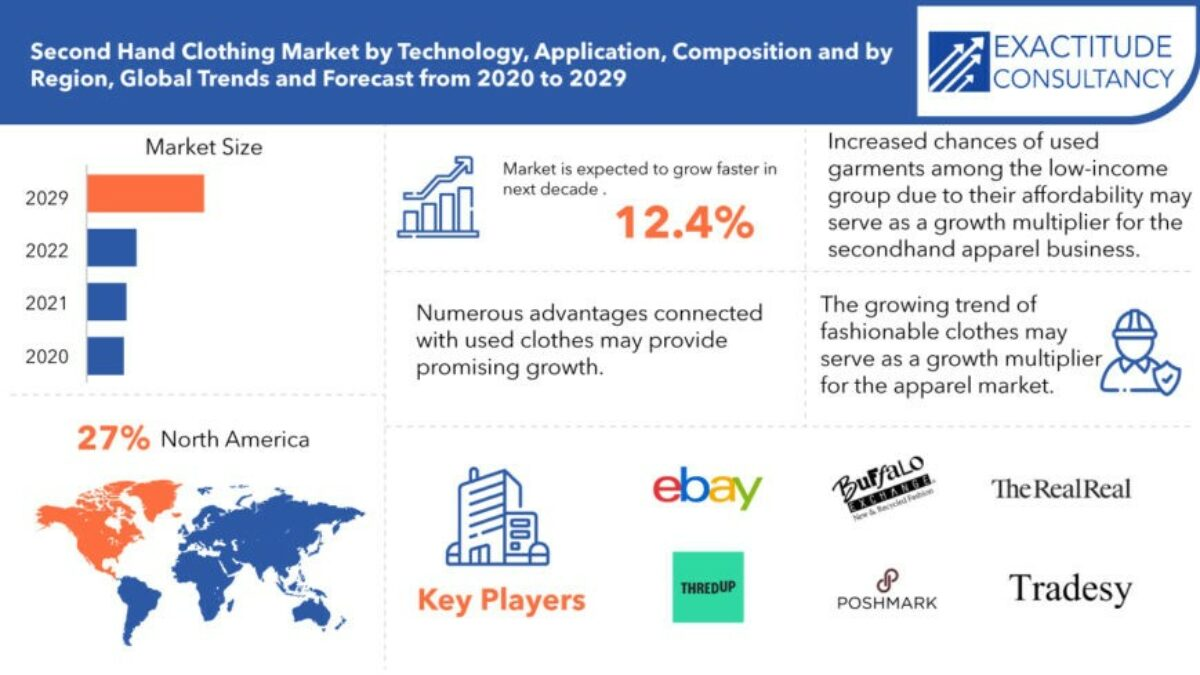
- The online thrifting market will experience a projected 2% growth, pushing the annual revenue to over $14.1 billion.
- Additionally, the secondhand market is projected to increase 127% by 2026, at triple the rate of the global clothing market overall.
- As per the report by ThredUp, the global second hand market is anticipated to reach USD 367 billion by 2029.
The above statistics clearly show that the online thrifting market will continue to rise, and online marketplaces such as ThredUp, Olx, Poshmark, and eBay are playing an essential role in quickly selling and purchasing items. Consumer interest in vintage clothing is driven by sustainability and the circular economy.
Millennials and GenZ are especially fond of this market. The potential of this age group’s market is also being recognized by traditional retailers and fashion manufacturers, who are incorporating it into their business models.
Why Should You Launch an Online Thrift Store?
Are you curious why launching an online thrift store is the perfect business for you? Let’s discuss some compelling reasons why launching an online thrift store might be a game changer for entrepreneurs.
Sustainable Effect
Reduce waste and encourage eco-friendly products by launching pre-loved items with a new lease of life. By curating a collection of used products, you contribute to the green economy and support the sustainable shopping habits of Gen Z and Millennials.
Profitability Potential
Enter into a lucrative market with significant growth potential. With the online thrift market estimated to reach $64 billion, there is an immense opportunity to turn your passion into a profitable business venture.
Unique Product Offerings
Stand one step ahead in the crowded eCommerce market by offering a unique collection of products. Serving consumers’ wishes for unique and vintage products can set your thrift store apart from the typical retailers.
Low Operating Cost
Enjoy the flexibility of launching an online business with adequate funds compared to a typical store setup. With the ability to operate from anywhere and leverage online marketing capabilities, running an online thrifting store has scalability and adaptability advantages.
Well, the list goes on, but launching an online thrifting store comes with a plethora of opportunities and makes the overall entrepreneurial journey exciting and rewarding.
Need Help Starting Your Online Thrift Store?
Starting an online thrift store can be overwhelming, but we’re here to help. Our team will provide you with guidance to launch a successful online Thrift business.
Talk to ExpertsHow to Start an Online Thrift Store in 7 Steps
Follow these seven steps to launch your online thrift store. From defining your niche to planning to promoting your store, we will walk you through each step to help you build a solid online presence in the world of thrifting.
1. Determine Your Niche
Choose the particular thrift business niche you want to focus on. This could include vintage apparel, home goods, accessories, or any other niche market. By concentrating more narrowly, you may create a store that is more enticing and geared to attract your ideal customers.
For instance, by using Google Trends, you will know what kind of products customers often buy. Based on the research and reports, below are the top four online thrift store categories that you should pay attention to:
- Clothes: The most popular category as people are crazy about renovating their wardrobe
- Footwear: Another popular niche
- eBooks: Though eBooks and PDFs are getting popular these days, this could be a lucrative niche for your startup, especially if you expand into an online bookstore.
- Home Decor Products: Social media platforms are full of DIY videos, so selling home decor products will never be out of trend
2. Create Your Brand
Register your business and choose a memorable name that reflects your brand persona and matches your target audience preferences.
- Secure a domain name for your online store and design a logo that communicates your unique style and values.
- Maintaining consistent branding across all platforms, including social media handles and marketing content, is crucial for building brand recognition and earning customer trust.
- Consider your brand’s aesthetic, tone, and messaging to create a unified and compelling brand experience that sets you apart in the competitive online thrift market.
- Consider incorporating your USP (Unique Selling Proposition) into your brand messaging to highlight what sets your products apart from others in the market.
Whether it’s offering exclusively curated vintage finds, specializing in upcycled and eco-friendly fashion, or providing personalized styling services, clearly communicate the value proposition of your products to potential customers. Develop a cohesive brand story and visual identity that resonates with your target demographic, showcasing your commitment to quality, sustainability, and affordability.
3. Build an Online Thrift Store
Get started with any user-friendly eCommerce platform such as Shopify, BigCommerce, or Magento to build an eye-appealing and professional online thrift store. Keep into account the following things:
- Choose a trustworthy eCommerce platform that aligns with your objective and budget
- Design an eye-catching website with clear navigation and product offerings
- Incorporate swift and secure payment gateways for smooth transactions
- Work with an efficient inventory management system to maintain stock levels
- Focus on mobile responsiveness to deliver a seamless user experience
- Follow top-notch security standards to protect customer data
After selecting the optimal platform and theme for your online thrift store, it’s essential to consider scalability. As your eCommerce business grows, you’ll want a platform that can easily accommodate increased traffic, sales, and inventory.
Look for platforms that offer scalable solutions, such as customizable storefronts, robust inventory management systems, and flexible payment options. By planning for scalability from the outset, you’ll ensure that your online thrift store can adapt and thrive as your business expands.
Ready to Build Your Online Thrift Store?
Make your dream of owning a thrift store a reality. Our team will work closely with you to create a unique and profitable online thrift store that meets your goals.
Talk to Experts4. Source Your Products
The next stage after creating your virtual storefront is to choose and source the goods. Garage sales, storage unit auctions, clearance sales, estate sales, rummage sales, flea markets, and factory overruns are some places you could find goods to resell.
Whether you store things at home or in a rental space, keep an appropriate strategy to avoid overstocking or understocking. Moreover, build a repo with suppliers and wholesalers to get unique and trending products. Stay informed about the ongoing trends and customer preferences to build a strong product collection.
But pay attention to the quality factor because people are always searching for quality products, and poor quality often leads them to your competitors.
5. Store Your Products
Designate a dedicated space to store and organize your inventory, whether a spare room in your home, a rented storage unit, or a fulfillment center.
Create a smart storage system that allows for easy access and organization of products. Use shelving, racks, bins, and labels to categorize and store items based on size, category, and season.
Implement inventory management practices, such as tracking stock levels, monitoring product turnover, and conducting regular audits to ensure accurate inventory control. Keep your storage area tidy, organized, and free from pests or environmental damage to preserve the quality and condition of your products.
6. Setup Shipping
Select reliable shipping carriers and determine your online store’s shipping rates, options, and policies. Consider factors such as package dimensions, weight, destination, and delivery speed when calculating shipping costs.
To accommodate customer preferences and budget, offer various shipping options, including standard, express, and international shipping. To keep customers informed and minimize inquiries, provide clear and transparent shipping information, including estimated delivery times and tracking details. Invest in quality packaging materials, such as boxes, bubble wrap, and packing tape, to ensure secure and safe delivery of products.
Implement a streamlined shipping process, including printing labels, preparing packages, and scheduling pickups or drop-offs, to expedite order fulfillment and enhance customer satisfaction.
7. Market Your Online Thrift Store
Having an online thrift store can be a fulfilling and successful business endeavor, but attracting customers and increasing sales requires strong marketing strategies. The online thrift store sector is highly competitive due to the growth of eCommerce. Therefore, it’s critical to stand out from the crowd.
You may attract more customers to your online thrift store by increasing brand awareness through solid digital marketing like SEO, social media marketing, PPC, and other techniques.
Along with SEO, you can harness the power of social media platforms such as Instagram, Facebook, and Pinterest. Create captivating content that demonstrates the value of your thrift store. Engage with your followers by hosting giveaways, sharing user-generated content, and participating in ongoing trends.
With strategic marketing efforts across various social media platforms, you can effectively attract a broad audience, build brand awareness, and ultimately get higher sales for your store.
Final Words
So, we have discussed all the steps covered in launching an online thrift store. By curating a unique collection, building a memorable brand, and implementing various digital marketing activities, you are tapping into a profitable venture and taking a step toward creating a green economy.
As you walk on this entrepreneurial journey, remember that every step you take has a story to tell, and your thrift store is the canvas for those stories to be told. So convert your passion into reality and let your online thrift store shine as a diamond in this changing world of eCommerce.
Want to build an online thrift store but need help figuring out where to start? Reach out to us. WebDesk Solution offers top-notch eCommerce development services and we can help you develop and grow your dream thrift store business.